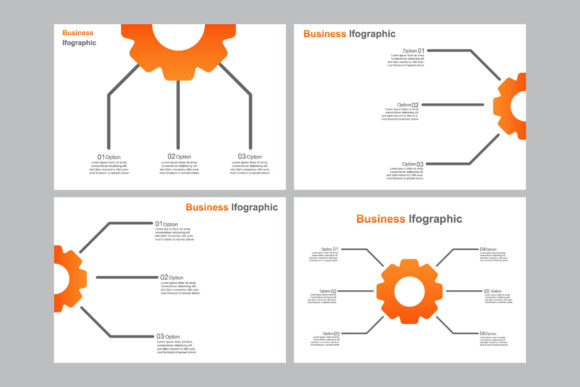
Business Infographic Design Template: A Practical Guide to Visual Communication
In the fast-paced world of digital marketing and corporate communication, the ability to convey complex information quickly is a superpower. Text-heavy reports and dense spreadsheets often fail to capture attention or retain audience interest. This is where the strategic use of a Business Infographic Design Template becomes essential. Rather than starting from a blank canvas, professionals are increasingly turning to pre-structured vector assets that streamline the creation process while maintaining high design standards. Understanding how to leverage these templates effectively can transform your presentations, marketing collateral, and internal reports from mundane documents into compelling visual narratives.
The Strategic Value of Pre-Designed Vector Assets
A common misconception is that using a template limits creativity. In reality, a high-quality business infographic design template serves as a structural foundation that liberates designers and non-designers alike to focus on content strategy rather than pixel alignment. These templates are typically built with professional workflows in mind, offering a balance between customization and consistency.
The primary value lies in efficiency without sacrificing quality. When you utilize a vector infographic file, you are working with mathematical paths rather than raster pixels. This means the design remains crisp whether it is displayed on a mobile screen or printed on a large-format banner. For business owners and marketers, this scalability ensures that a single asset can serve multiple purposes across different channels, maximizing the return on investment for design resources.
Technical Specifications That Matter
Not all templates are created equal. When evaluating a Business Infograpic Design Template, specific technical characteristics determine its long-term usefulness. The industry standard for professional editability is the EPS 10 format. This version of Encapsulated PostScript strikes an ideal balance between compatibility and feature support. It opens reliably in Adobe Illustrator, CorelDRAW, Affinity Designer, and even older versions of vector software, ensuring that team members with different toolsets can collaborate seamlessly.
Furthermore, the inclusion of outlined fonts is a critical feature often overlooked by beginners. Outlined fonts convert text characters into vector shapes. While this makes the text uneditable as type, it guarantees that the visual appearance of the template remains identical on every device, regardless of whether the specific font family is installed. Many premium templates include both outlined versions for immediate use and editable text layers for customization, providing the best of both worlds.
Core Applications in Professional Environments
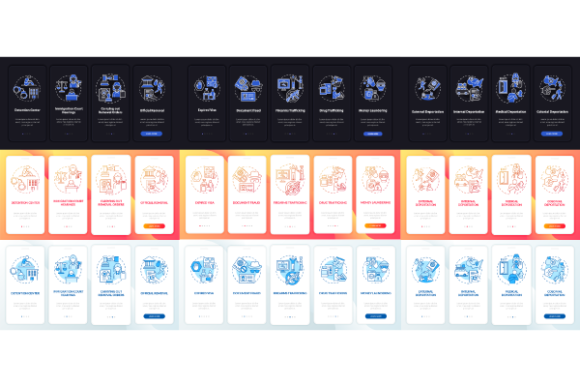
The versatility of a business infographic design template extends far beyond simple data visualization. These assets are engineered to solve specific communication challenges across various business functions.
- Marketing and Promotion: Social media algorithms favor visual content. Templates designed for promotion often include modular sections for statistics, product features, or testimonials that can be quickly updated for seasonal campaigns.
- Presentation Design Elements: Slide decks are notorious for being text-heavy. Integrating vector infographic elements breaks up monotony and helps audiences process key takeaways. Because they are vectors, these elements can be resized to fit any slide master without losing clarity.
- Annual Reports and White Papers: Financial data and research findings require precision. Specialized templates provide structured layouts for charts, timelines, and process flows that maintain brand consistency throughout lengthy documents.
- Internal Training and Onboarding: Complex workflows are easier to understand visually. HR departments frequently use process-based infographic templates to create standard operating procedure (SOP) documentation that reduces cognitive load for new employees.
Real-World Scenarios and Adaptation
Consider a mid-sized SaaS company preparing for a product launch. The marketing team needs to explain a new pricing tier structure across email newsletters, landing pages, and sales decks. By utilizing a comprehensive Business Infograpic Design Template, they can create a master visual style. The vector nature of the file allows the designer to export a high-resolution PNG for the website, a lightweight SVG for the email, and an editable EPS for the sales team to customize per client. This unified approach ensures message consistency while drastically reducing production time.
Another practical scenario involves consultancy firms presenting market analysis. Clients often struggle to digest raw data. A consultant can input proprietary data into a pre-designed chart template, instantly transforming rows of Excel data into an intuitive visual comparison. The professional aesthetic of the template lends credibility to the insights, reinforcing the firm’s expertise through polished presentation design elements.
Evaluating Suitability for Your Projects
While templates offer significant advantages, they are not a universal solution. Determining whether a business infographic design template is appropriate requires assessing the unique needs of your project against the capabilities of the asset.
When to Use a Template
- Tight Deadlines: If you need professional visuals within hours rather than days, templates are indispensable.
- Standardized Data Types: Timelines, SWOT analyses, funnel charts, and comparison tables have established visual conventions that templates execute perfectly.
- Brand Consistency Needs: When multiple team members create content, templates enforce layout rules and spacing standards that prevent brand dilution.
- Limited Design Resources: Small businesses without dedicated designers can achieve agency-level aesthetics using well-crafted vector assets.
Considerations and Limitations
It is equally important to recognize when custom design is preferable. Highly unique data sets that do not fit conventional chart types may require bespoke illustration. Additionally, if your brand guidelines are extremely rigid or unconventional, modifying a generic Business Infograpic Design Template might take longer than building from scratch. Always review the layer structure before purchasing or downloading; a poorly organized file with unnamed layers and grouped elements can negate the time-saving benefits.
Users should also be mindful of licensing. While EPS 10 files are technically compatible with many programs, some advanced effects or gradient meshes may render differently outside of Adobe Illustrator. Testing the file in your specific workflow before committing to a major project is a prudent step that prevents last-minute technical hurdles.
Best Practices for Customization and Implementation
To maximize the effectiveness of a vector infographic, approach customization systematically. Start by establishing a color palette that aligns with your brand identity before modifying individual elements. Most professional templates use global swatches or color groups, allowing you to update the entire design’s color scheme with just a few clicks. This preserves the template’s internal harmony while making it distinctly yours.
Content hierarchy should guide your editing decisions. Templates often include placeholder text and decorative elements that may not be relevant to your specific message. Do not feel obligated to use every component. Removing unnecessary visual noise often improves comprehension. Remember that the goal of using a business infographic design template is clarity, not decoration. If an element does not support the core message, delete it.
Finally, consider accessibility. While outlined fonts ensure visual consistency, they are invisible to screen readers. When publishing infographics digitally, always include comprehensive alt text or provide an accompanying HTML summary of the data. This practice ensures that your visual communication remains inclusive and compliant with modern web standards, extending the reach and impact of your content.
Making the Right Choice for Visual Success
The landscape of business communication continues to evolve toward visual-first strategies. A well-selected Business Infograpic Design Template is more than a shortcut; it is a strategic asset that bridges the gap between data and understanding. By prioritizing technical quality like EPS 10 compatibility and outlined fonts, and by applying thoughtful customization practices, professionals can harness these tools to create impactful, scalable, and engaging content.
Whether you are a solo entrepreneur crafting your first pitch deck or a marketing director managing a global campaign, the right template empowers you to communicate with precision and style. Evaluate your specific needs, understand the technical parameters, and embrace the efficiency that vector-based design offers. In doing so, you transform routine information sharing into memorable visual experiences that drive engagement and inform decision-making across your organization.