Train Line Icon Set Logo Vector: Modern Transit Design
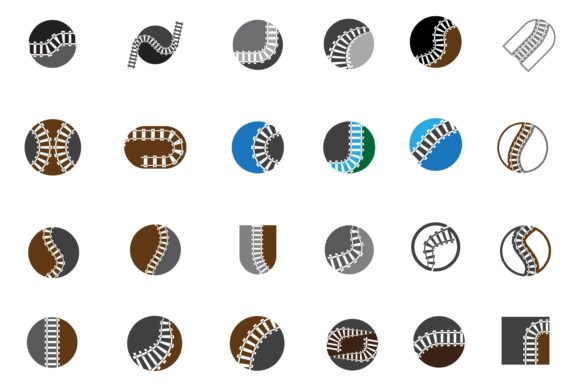
In the rapidly evolving landscape of digital communication, visual clarity is paramount. For designers and developers working within the transportation sector, finding a cohesive visual language can be challenging. The Train Line Icon Set Logo Vector serves as a foundational toolkit for creating intuitive interfaces and branding materials that resonate with modern audiences. This collection goes beyond simple clip art; it provides a structured system of linear symbols representing trains, buses, bicycles, drones, and smart vehicles. Whether you are building a mobile app for urban commuting or designing an infographic for a logistics company, these vector assets ensure your message is understood instantly across all devices and platforms.
Defining Characteristics of Linear Transit Graphics
The primary strength of this icon set lies in its adherence to flat, linear design principles. Unlike skeuomorphic designs that mimic real-world textures, these vectors utilize clean lines and negative space to convey meaning without visual clutter. This aesthetic is not merely a stylistic choice but a functional necessity for web and mobile environments where screen real estate is limited. The thin line weight ensures legibility even at small sizes, making them ideal for navigation bars, map legends, and dashboard widgets.
Scalability is another critical factor. Because these assets are true vectors, they maintain perfect crispness whether displayed on a smartwatch or a large-format digital signage panel at a train station. The collection typically includes standardized stroke widths and corner radii, ensuring that a bicycle symbol looks visually related to an airplane or electric vehicle icon. This consistency helps establish a professional brand identity, signaling to users that the service is reliable and technologically current.
Versatility Across Digital and Print Media
Modern transportation ecosystems are complex, involving multiple modes of travel and emerging technologies. A comprehensive Train Line Icon Set Logo Vector addresses this complexity by offering a diverse range of symbols. It is no longer sufficient to only show a locomotive; today’s users expect icons representing IoT connectivity, eco-friendly electric engines, drone delivery services, and integrated mobility networks. Having these specific symbols readily available allows creators to accurately depict innovative concepts like smart city infrastructure or autonomous transport systems without resorting to custom illustration for every single asset.
- Web & App Interfaces: Use consistent iconography for ticket booking flows, route planning tools, and user profile settings.
- Wayfinding Signage: Deploy high-contrast vector signs in physical spaces like airports, metro stations, and parking facilities.
- Corporate Reporting: Visualize data regarding fleet electrification, carbon footprint reduction, or network expansion in annual reports.
- Educational Materials: Create engaging diagrams explaining public transit logistics or automotive engineering concepts to students.
Enhancing User Experience Through Visual Consistency
User experience (UX) relies heavily on pattern recognition. When a user encounters a familiar symbol, their cognitive load decreases, allowing them to navigate an interface more efficiently. The Train Line Icon Set Logo Vector leverages universal semiotics while updating them for contemporary contexts. For instance, a traditional bus icon might be updated with subtle cues indicating it is an electric or autonomous vehicle. These nuances matter significantly in marketing and product design, as they communicate innovation and sustainability without requiring explanatory text.
For businesses operating in the automotive or logistics sectors, these icons serve as vital communication bridges. A delivery service app, for example, can use distinct symbols for vans, trucks, and bikes to help customers track their specific type of shipment. Similarly, a smart home dashboard might integrate vehicle icons to show when an electric car is charging or when a family member’s transit vehicle is approaching. By integrating these polished graphics, companies enhance the perceived value of their digital products and improve overall engagement metrics.
Practical Considerations for Implementation
Selecting the right icon set requires careful evaluation of technical and aesthetic compatibility. Before integrating a Train Line Icon Set Logo Vector into your project, verify the file formats available. SVG is generally preferred for web and app development due to its code-level editability and tiny file size, while AI or EPS files are better suited for print production and extensive modification. Ensure the set includes the specific niche symbols you need; a generic transport pack might lack the drone or IoT sensor icons required for a futuristic tech presentation.
Customization potential is equally important. While the base designs provide a strong starting point, most professional projects require some level of adaptation to match existing brand guidelines. Look for vectors organized with clean layers and grouped elements. This structure allows you to easily adjust stroke colors, fill opacity, or line weights to align with your corporate palette. Avoid sets that have been rasterized or flattened excessively, as these limit your ability to make necessary adjustments later in the design process.
Supporting Sustainable and Smart Mobility Narratives
Visual design plays a surprisingly significant role in shaping public perception of transportation technology. As cities move toward greener, smarter mobility solutions, the imagery used to represent these systems must evolve accordingly. The inclusion of eco, electric, and network symbols within a Train Line Icon Set Logo Vector helps normalize these concepts in the public consciousness. When a commuter sees a sleek, modern icon for an electric bus next to a traditional train symbol, it reinforces the idea that sustainable transport is an integral, seamless part of the broader network rather than a separate novelty.
For content creators and marketers, this visual vocabulary enables more effective storytelling. Instead of relying on stock photos that may quickly look dated, vector illustrations offer a timeless quality that focuses on function and concept. An infographic detailing the benefits of IoT-enabled traffic management becomes far more digestible when supported by clear, minimalist icons representing sensors, data flow, and vehicles. This approach not only improves readability but also enhances shareability across social media platforms where visual impact drives engagement.
Maximizing Efficiency in Creative Workflows
Time is often the scarcest resource for freelancers and agency teams. Building a custom icon library from scratch for every transportation-related project is rarely feasible. Utilizing a pre-designed Train Line Icon Set Logo Vector dramatically accelerates the production timeline while maintaining high quality standards. This efficiency allows designers to focus their creative energy on layout, interaction design, and strategic messaging rather than pixel-pushing individual glyphs.
Furthermore, these collections often serve as excellent learning resources for junior designers. Studying how professional icon sets handle complex shapes—like the wheels of a bicycle or the wings of an airplane within a constrained grid—provides valuable insights into geometric simplification and visual balance. By analyzing the construction of these vectors, creators can improve their own skills and eventually develop proprietary icon systems that retain the same level of polish and usability.
Ultimately, the value of a well-crafted Train Line Icon Set Logo Vector extends far beyond aesthetics. It is a strategic asset that facilitates clearer communication, supports brand consistency, and enables the efficient visualization of complex transportation concepts. In an era defined by rapid technological change and increasing demand for sustainable mobility, having access to versatile, high-quality graphic resources is essential for anyone looking to effectively engage with modern audiences. Whether for a startup pitch deck, a municipal transit website, or an educational curriculum, these icons provide the visual foundation necessary to convey innovation and reliability with confidence.